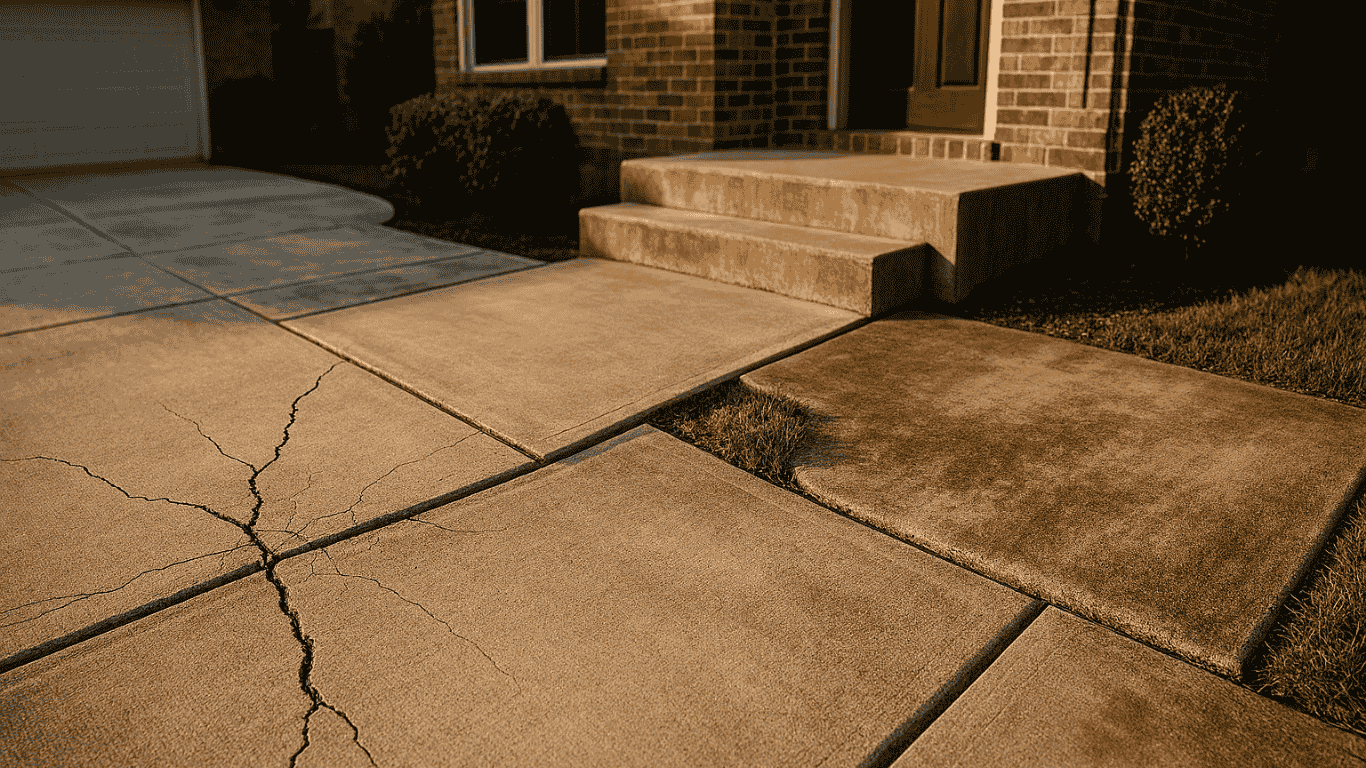
In the fast-paced Baltimore real estate market, purchasing decisions are made with swift, uncompromising judgment. A buyer evaluates a property’s inherent value within the first few minutes of arrival, and the exterior condition forms this crucial initial impression. Subtle yet impactful flaws, such as cracks spiderwebbing across a walkway, uneven driveway surfaces, or a stained backyard patio, quietly erode a buyer’s trust in the home’s overall maintenance.
These details are direct financial indicators. Property surveys consistently show that a home’s exterior condition can negatively affect its perceived value by up to 12 percent. Therefore, professional concrete work transcends mere aesthetics, making it a powerful lever for maximizing profits and appealing to discerning buyers.
Why Concrete Quality Matters More In Baltimore Than In Most Cities
Understanding the unique demands placed upon concrete in Baltimore reveals why investment in quality is non-negotiable here. The city’s challenging climate subjects all outdoor hardscapes to an unrelenting, yearly test of durability. Specifically, Baltimore experiences approximately 45 freeze-thaw cycles annually, and the relentless cycle of rapid temperature change is highly destructive, as moisture penetrates the concrete, freezes, and then expands.
This process inevitably leads to surface scaling, deep structural cracks, and premature material breakdown. Consequently, low-quality, poorly executed installations frequently fail within just a few seasons, whereas professional, high-quality work is engineered to endure for decades.
What Property Investors Should Check Before Approving Concrete Work
Experienced investors do not start with price, as they begin with the process. Reliable contractors follow a predictable system that protects long-term value.
Here is what seasoned buyers look for before signing off:
- Proper subgrade compaction measured by density tests
- Reinforcement using rebar or wire mesh based on load needs
- Concrete mix rated for freeze resistance and moisture control
- Curing time of at least seven days before heavy use
Skipping any of these steps often leads to repairs within three to five years.
How Concrete Upgrades Quietly Boost Rental Income
Concrete rarely shows up in rental ads, yet tenants notice it instantly. Clean sidewalks feel safer, smooth parking pads reduce complaints, and level patios encourage more extended stays.
Studies show that exterior improvements, including concrete repairs, can reduce tenant turnover by up to 18%, as fewer move-outs lead to fewer vacancies. That stability matters more than flashy upgrades that age quickly.
One Baltimore landlord shared a simple lesson. After replacing uneven walkways with reinforced concrete, slip-related complaints dropped to zero. Insurance premiums also decreased the following year. Sometimes boring upgrades deliver exciting results.
Concrete Contractors Baltimore Fit Into Smart Real Estate Planning
Midway through a renovation or pre-sale upgrade, owners often realize that general handypersons are not enough. Structural concrete requires specialized skill, so contacting Concrete Contractors Baltimore becomes indispensable. The reason behind this is that professional contractors understand local codes, drainage rules, and soil behavior. Many also collaborate with masonry contractors in Baltimore to align concrete foundations with brick or stone features. That coordination prevents mismatched materials and future cracking.
Industry numbers support this approach. Projects handled by licensed concrete specialists show 22 percent fewer structural defects over a 15-year lifespan than general labor installations. That difference shows up in inspection reports and buyer confidence.
How Long Does Concrete Actually Last In Baltimore’s Conditions
Well-installed concrete lasts longer than most people expect. With proper reinforcement and sealing, driveways and walkways can perform for 25 to 30 years, while decorative stamped concrete typically lasts 20 years with routine maintenance.
Additionally, sealant application every 3 to 5 years extends the lifespan by nearly 40 percent. It is surprising how a small investment protects against salt damage, which is common during Baltimore winters.
Is Concrete Better Than Asphalt For Property Value
Concrete costs more upfront, yet it wins in the long term. Asphalt usually needs resurfacing within 8 to 12 years. Concrete often lasts for decades without major repairs.
Real estate valuation reports show concrete driveways add about 5 percent more perceived value than asphalt in urban neighborhoods. Buyers associate concrete with permanence and lower future costs.
What Mistakes Reduce ROI On Concrete Projects
Even good materials fail when poorly planned. The most common ROI killers include rushed curing, improper drainage slope, and skipping permits. Water pooling near foundations causes more damage than cracks themselves.
Another frequent error is choosing aesthetics over structure. Decorative finishes should come after strength requirements, not before.
Final Thoughts On Concrete Decisions That Actually Pay Off
Concrete rarely feels exciting, yet in Baltimore real estate, it quietly decides how buyers think, how inspectors react, and how long a property holds its value. Strong concrete reduces repair anxiety. It signals long-term thinking and protects against climate stress that cheaper work cannot withstand.
When property owners invest in skilled professionals rather than quick fixes, the returns show up in fewer negotiations, smoother closings, and greater resale confidence. That is why experienced investors treat concrete as infrastructure, not decoration.
